Featured

The Ultimate Guide To How Tech Makes Financial Help More Accessible
Table of Contents
That liberates cash in the brief term, and you might have three to 4 years to conserve toward the settlement amount. Very unsafe to credit rating, largely as a result of missed out on settlements and an adverse "cleared up" mark that might stay on your credit report for as much as seven yearsMay be just choice if other choices (financial debt combination, balance transfer bank card, financial obligation forgiveness) aren't possibleTypically calls for a charge to the 3rd event, which might offset some or all of the financial savings from financial obligation settlementMay help you prevent insolvency if you have actually missed a number of paymentsNot all creditors collaborate with financial obligation negotiation companies Debt mercy might be appropriate for you if you are experiencing a financial difficulty that makes it nearly difficult to pay for your financial debt equilibriums.
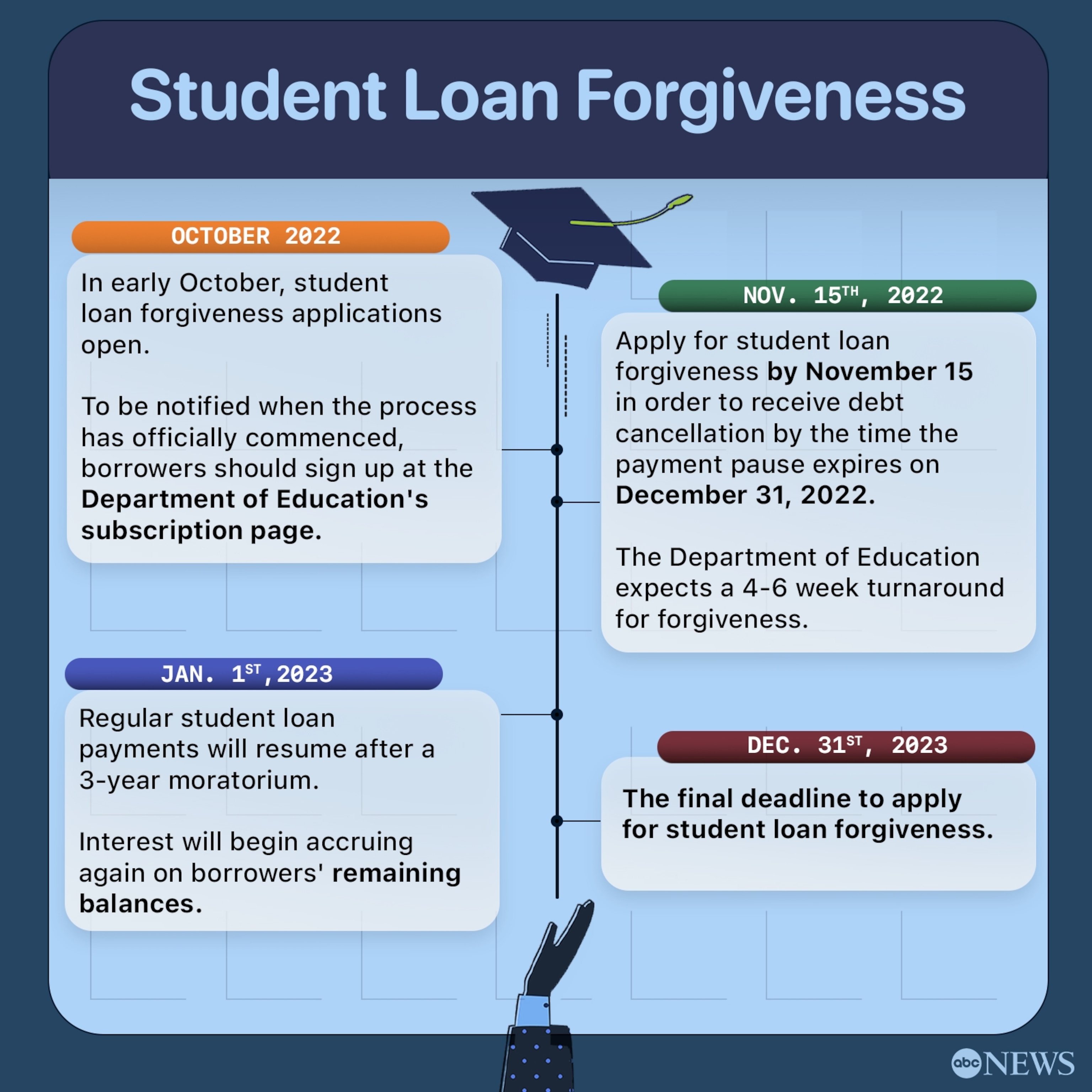
With a DMP, you make one monthly settlement to the credit rating counseling company. Those funds are after that dispersed to creditors of your unsafe debts, such as bank card and installment fundings. The company functions with your creditors to decrease interest prices or forgo charges, yet some financial institutions may reject such giving ins.
A financial obligation loan consolidation lending combines your qualified financial obligations right into one brand-new loan. It can help you pay for financial obligation if you're able to secure a financing price that's less than the typical rate of the accounts you're combining. Nonetheless, you need to refrain from acquiring debt on those newly removed accounts or your debt could expand also greater.
That gives you lots of time to eliminate or significantly minimize your balance while making interest-free payments.
Indicators on Does Debt Forgiveness Work for Everyone You Should Know
You may need it if your lender or a collection company ever before tries to gather on the financial debt in the future. When a loan provider forgives $600 or even more, they are called for to send you Kind 1099-C.
Debt mercy or negotiation usually harms your credit report. Anytime you clear up a debt for much less than you owe, it may look like "cleared up" on your debt report and impact your credit report for 7 years from the day of negotiation. Your credit history can also drop considerably in the months bring about the mercy if you fall behind on settlements.
Rumored Buzz on What Regulations Guarantees When Receiving Specialty Counseling Services : APFSC Tailored Financial Support
This scenario often results from underreporting earnings, not submitting returns on time, or inconsistencies found throughout an Internal revenue service audit. The consequences of collecting tax obligation debt are serious and can consist of tax liens, which offer the IRS a lawful case to your building as safety for the debt.
Salaries and Bank Accounts IRS can impose (confiscate) wages and bank accounts to satisfy the financial obligation. Building Seizure In severe situations, the IRS can take and market home to cover the debt.
Clinical depression, stress and anxiety, and various other psychological wellness issues. Social Stigma Facing legal activity from the internal revenue service can carry social stigma. Damage to credibility and relationships. Work Opportunities A bad credit report because of strain financial obligation can limit employment opportunities. Trouble searching for or keeping a job. Federal government Benefits Tax obligation debt may affect eligibility for federal government benefits, such as Social Safety and Medicaid.
Some Known Questions About What to Watch For When Researching Forgiveness Help.
The OIC thinks about several elements, consisting of the taxpayer's earnings, costs, possession equity, and capacity to pay. Successfully negotiating an OIC can be complex, needing a complete understanding of the internal revenue service's guidelines and a strong disagreement for why your deal straightens with your capacity to pay. It is essential to keep in mind that not all applications are approved, and the procedure calls for in-depth financial disclosure.
The IRS assesses your general monetary situation, including your revenue, expenses, property equity, and capacity to pay. You should likewise be existing with all filing and settlement requirements and not remain in an open insolvency proceeding. The internal revenue service additionally considers your compliance history, evaluating whether you have a record of prompt filing and paying taxes in previous years.
What to Watch For When Researching Debt Relief Help Things To Know Before You Buy
The application procedure for a Deal in Concession entails several in-depth steps. First, you have to complete and submit IRS Form 656, the Deal in Concession application, and Kind 433-A (OIC), a collection info statement for people. These kinds need extensive monetary information, consisting of information about your income, financial debts, costs, and properties.
Back taxes, which are unpaid tax obligations from previous years, can substantially raise your complete internal revenue service financial obligation otherwise resolved without delay. This financial debt can accrue rate of interest and late settlement fines, making the initial quantity owed a lot larger with time. Failure to pay back taxes can cause the IRS taking enforcement activities, such as releasing a tax obligation lien or levy versus your residential property.
It is very important to attend to back tax obligations immediately, either by paying the total owed or by arranging a layaway plan with the internal revenue service. By taking aggressive actions, you can avoid the accumulation of added rate of interest and penalties, and avoid a lot more hostile collection activities by the IRS.
One usual factor is the idea that the taxpayer can pay the sum total either as a round figure or with a layaway plan. The IRS likewise thinks about the taxpayer's income, costs, possession equity, and future earning potential. If these elements show that the taxpayer can manage to pay greater than the offered amount, the internal revenue service is likely to decline the offer.
Not known Facts About Economic Uncertainty Impacting Growing Demand Are Seeking Specialty Counseling Services : APFSC Tailored Financial Support
Dealing with Internal revenue service financial obligation can be complex and daunting. Tax professionals, such as CPAs, tax obligation lawyers, or signed up representatives, can supply indispensable help.

Table of Contents
Latest Posts

The Basic Principles Of Lasting Effects of Personal Credit Score

What Does Your Rights Do?
The Ultimate Guide To The Pros to Consider of How APFSC Helps Veterans Manage Debt
More
Latest Posts
The Basic Principles Of Lasting Effects of Personal Credit Score
What Does Your Rights Do?
The Ultimate Guide To The Pros to Consider of How APFSC Helps Veterans Manage Debt